Wellness

Product Testing for Pain Relief

Have you always wanted to try my Pain Cream? Would you want to be part of my product testing?

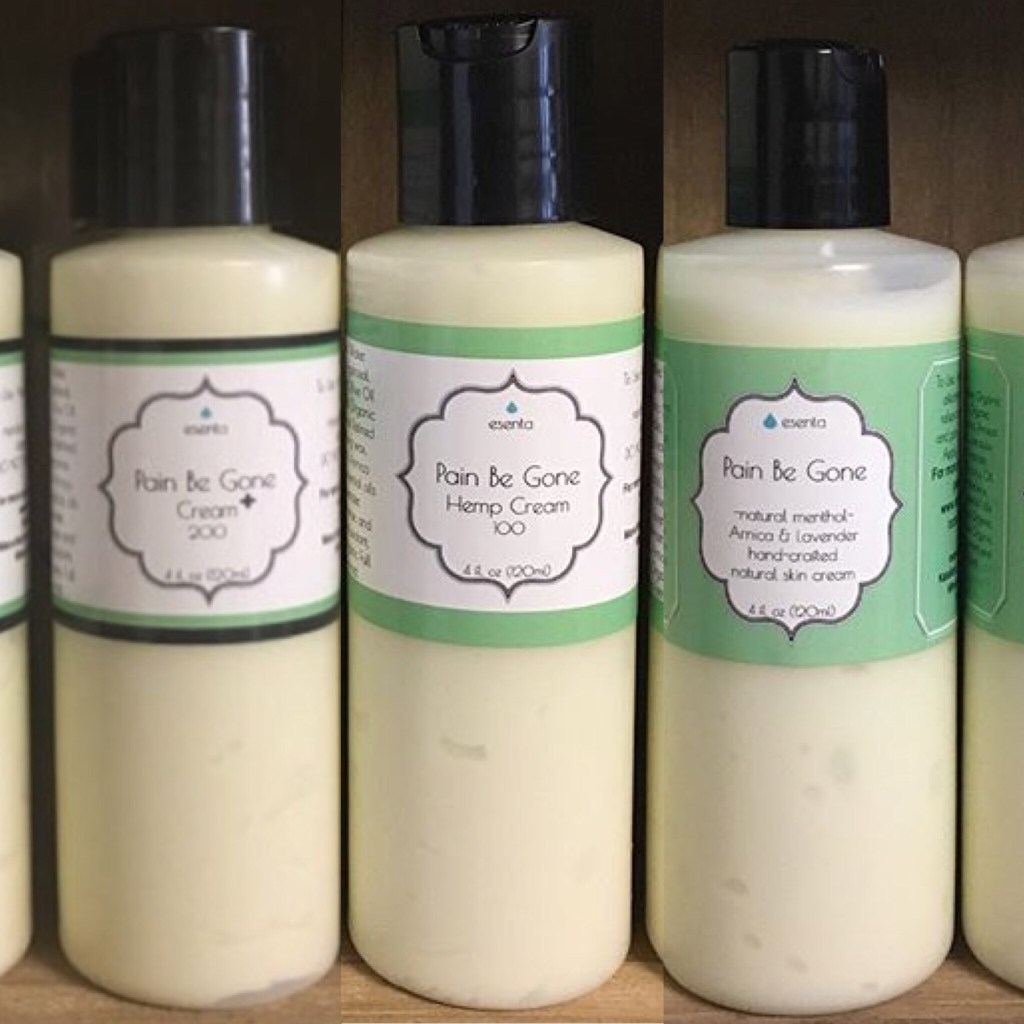
I am putting together a package of small bottles of my three varieties of Pain Be Gone Cream and would love your feedback. đź’ś

My Pain Be Gone Cream is one of my most popular and longest standing products that I’ve made for more than 10 years now. I originally created it for my grandmother’s sciatica pain, as she said the codeine that she was prescribed made her feel “loopy.” She was so surprised by the relief that she got while using the pain relieving cream, she called me a miracle worker. She hasn’t been the only one who has said this after using the cream. (I’ve even said it out loud, to myself, after standing on my feet all day in heels at conventions.)

Through the years hemp extract has been of interest to my customers, so I added it to a few of my products after I secured a local provider of organic full spectrum CO2 extract. I decided to create two different strengths to fit people’s budgets. People continue to comment how effective the cream is. 💖

So now I want to know… does adding hemp extract make my product more effective, or is it just an expensive ingredient? Do I just need a little of it in my products, or a lot?!

As an aromatherapist, I understand that there is a safety load to essential oils due to their concentrated nature, and that a higher percentage of essential oils in a product doesn’t necessarily make it more effective… as there is a threshold.

However in the case of hemp extracts, there is a range of products on the market with different strengths. Many of them don’t even detail the amount of CBD or hemp extract that is in their products. 🤷‍♀️

Along side being a product developer for my own product line for more than 12 years, I was a product developer for a CBD company for a couple of years as well, so creating quality products that are crafted precisely, is my jam. I also teach medicine making at a local herb school, and still my brain wants to know more!

My Pain Be Gone Cream is truly artisan crafted in small batches. It is made with natural organic ingredients, including: Distilled Water, Organic Lavender Hydrosol, Organic Aloe Vera, Organic Olive Oil, Organic Castor Oil, Organic Coconut Oil, Organic Refined Shea Butter, Org. Calendula and Lavender Blossoms, Organic Comfrey Root, Emulsifying Wax, and the essential oils of organic Eucalyptus, organic Lavender, organic Clove, organic Peppermint, and Wildcrafted Frankincense, rosemary antioxidant, and loads of love.

I’m putting together a little package of samples at a wholesale price for testing, and would like to know if you would be willing to test my products and give me feedback?

Yes? Awesome!! In exchange for the cost of making the product I will be shipping you three mysteriously labeled 2 oz bottles of various strengths of my Pain Be Gone Cream. One made with just essential oils; one made with 50 mg of CBD, and the third made with 100mg of CBD, in exchange for $40, which includes shipping.

Along with the products, I will be sending you a small little questionnaire that I would like emailed back to me. In exchange for helping me out, I will award you a lifetime discount of 30 % off all of my Pain Relieving Products. đź’ś

To maximize efficiency and timing for shipping them all out, this offer is only available through October 2020. Packages will be shipped out the first week of November. đź’ś You can order your sample set now by following this link. Please make sure to include your shipping address.

https://checkout.square.site/buy/QOD4XUJUYUMZGH33MYH7HLNT

Thank you for supporting my small business and for your participation in my product testing study. I look forward to getting your feedback!

education, Essential Oils, Wellness

Historical Solutions to Airborne Illness: Aromatics

By Kathryn Delaney, CCA, CCH, CN

With what looks to be escalating news regarding the coronavirus (Covid-19), health professionals are still learning how it spreads, to what extent it can spread, and the severity of illnesses that it causes.

There is currently no vaccine to prevent COVID-19. The best way to prevent illness is to keep up your immune system and avoid being exposed. Like other respiratory illnesses, and similar to the common cold, the virus is thought to spread mainly from person-to-person. Either between people who are in close contact with one another (within about 6 feet), or through respiratory droplets produced when an infected person coughs or sneezes. These droplets can land in the mouths or noses of people who are nearby or possibly be inhaled into the lungs.

Essential oils are unique allies in times of airborne illness because of their volatile nature and their inherent anti-bacterial, anti-microbial and sometimes anti-viral qualities. Essential oils are distilled from plants into concentrated volatile substances that can not only purify the air… this quality makes them extremely effective for respiratory conditions by way of inhalation. It is this diffusive quality that allows them to be used to strengthen the immune system.

Historically aromatic herbs and spices have proven useful in times of airborne illnesses because of their anti-microbial, anti-bacterial and anti-viral properties. Aromatic botanicals have been used for centuries in religious ceremonies that use smudging as a means of spiritual purification, and some traditions of the past and present, continue to smudge people and public areas as a means to purify the air, such as: juniper, cedar, cypress, and other botanicals.

Several ways you can use the benefits of anti-viral essential oils are detailed below:

  • Steam Inhalation – Simply boil a soup pot filled with water, remove from stove, and add 4 drops of any singular or combination of any of the following: Bay Laurel, Tea Tree, Cajeput, Thyme, Niaouli, or Ravintsara.
  • Passive Diffusion – Set a bowl of water, with a few drops of the essential oils listed above, in a warm sunny window. Alternatively, you can place 8-10 drops in a inhaler to breathe throughout the day.
  • Room Diffusers and Atomizers are also practical ways to disperse the anti-viral qualities of essential oils into larger spaces, such as living rooms, etc.
  • Topically, a person can apply Bay Laurel, Cajeput, Niaouli, or any of the Eucalyptus Essential Oils on the lymph nodes and adrenal glands after a shower. This will help to strengthen the immune system. To do this, dilute a total of 3-10 drops of a single or combination of these oils in an unscented lotion or vegetable oil, and massage on the sides of the neck, arm pits, lower back and just above the kidney.
  • Disinfectant Room sprays – Add 20-30 drops of essential oil to 4 oz of purified water. Shake well before using.
  • Household cleaners – Add 20-30 drops of essential oil to a spray bottle with 6 oz water and 2 oz white vinegar. Shake before use, and make sure you test on a corner of surface before using on the entire surface.

Many of the discoveries of the benefits of using aromatic plants to prevent and treat respiratory conditions, came out of the European area.

In the 16th century, also known as the Golden Age of Herbalists, pomanders of myrrh, sandalwood, cloves, nutmeg and rose, were popular, as well as lemon peel, juniper oil, camphor and marjoram. Pomanders were small, ball-like vessels that were stuffed with aromatic plants. These were worn around the neck or on a belt.

In a popular illustration from the 17th Century, a doctor is pictured wearing protective clothing that can be best described as a hood with a beak. This vessel is said to have been filled with cinnamon, clove and other aromatic herbs. (Battaglia, 2008)

Doctors Visit 17c.

During the 19th century, someone observed the low incidence of tuberculosis in the flower-growing districts of France, particularly in the south. It was here that someone made note that the workers who processed flowers and herbs remained free of the respiratory illness that was common at that time. This led to published studies showing that essential oils were able to kill the micro-organisms of glandular and yellow fever. They particularly noted the properties of oregano, Chinese cinnamon, angelica and geranium. (Battaglia, 2008)

Epidemics of the past were worsened by several factors, including:

  • Rapid growth of urban areas with poor sanitation
  • Horrific working conditions in factories – dawn to dusk, 7-day work week
  • Epidemic vitamin D deficiency – rickets in some urban areas nearly universal
  • Deterioration of the diet
  • Sugar and white flour as staple foods for the first time in history


As a reminder, Center for Disease Control recommends these everyday preventive actions to help prevent the spread of respiratory diseases, including: “Avoid close contact with people who are sick; and washing your hands often with soap and water for at least 20 seconds, especially after going to the bathroom; before eating; and after blowing your nose, coughing, or sneezing. If soap and water are not readily available, use an alcohol-based hand sanitizer with at least 60% alcohol. Always wash hands with soap and water if hands are visibly dirty.”

To keep up your healthy immune response:

  • Reduce unnecessary stress. Stress has been shown to be the first domino that effects all illnesses.
  • Make sure you get adequate sleep. Sleep deprivation causes elevated cortisol levels and results in impaired immune function.
  • Become replete in Vitamin D.
  • Reduce Sugar intake. Americans consume an average of five ounces (> ÂĽ lb.) of sugar every day, either consciously added to their food or hidden in processed foods. Scientific studies have found that amounts less than this can profoundly suppress the immune system.


It is key to remember how important basic self-care is, in building our immunity, especially as modern lifestyles seem to command for stressful ways of living. While many of us may be familiar with the relaxing benefits that aromatherapy can have on our stress levels, it’s pretty cool that these aromatic allies have qualities that have proven them to be invaluable during times of legendary epidemics.


About the Author: Kathryn Delaney, CCA, CCH, CN is the Director of Aromatherapy 100 Course at the Colorado School of Clinical Herbalism.

For more information on the new course, please visit: For more information on the upcoming course, starting April 14th, please visit: https://clinicalherbalism.com/programs-courses/aromatherapy/ or write to Kathryn.delaney@clinicalherbalism.com


DIY, education, Essential Oils, Wellness

Oils of Alchemy 101 – Dilutions and Applications

Essential Oils are wonderful allies in the home when diluted properly and used with caution and care. While in the West we often falter to the “more is better” mentality, it is important to recognize that in the instance of using essential oils, research studies have revealed quite the opposite… that using essential oil diluted into lower concentrations is often more therapeutic and effective when compared to using heavier concentrations of essential oils. In fact, there are very few specific instances where a “neat” application would be acceptable.  This understanding is key when considering the large amount of plant material which is distilled to create such small volumes of essential oils, and also should lead one to reconsider the level of wastefulness of these precious substances when used undiluted and in unnecessary high concentrations.

What follows are the dilution guidelines of trained Aromatherapists.  For more information on conditions which these applications would apply to, please purchase Esenta, the Aromaticum App for detailed uses and applications of more than 100 Essential Oils.

Application: Therapeutic Bath

The use of essential oils in a bath can offer relief for a variety of conditions including: irritated skin conditions, aches and pains of all sorts, stress related complaints, and can even effect one’s spirit. Offering a space in time to nurture oneself on multiple levels, baths are one of the easiest and most common ways of using essential oils that allows them to act in two ways, by absorption through the skin, and by inhalation.
Essential oils float on water, so it is necessary to use a carrier of some sort for dispersal when using them in this application so that the essential oils blend within the bath water. While some sources suggest dropping 5-10 drops of an essential oil into bath water when it is full, I would recommend against this method. This method may be safe with the more gentle of essential oils, however essential oils by their nature float on water, so rather than dispersing throughout the water, when one submerges into water the essential oils will thinly coat the skin. In instances of using peppermint essential oil by this method it has proven to be very uncomfortable. In addition to peppermint, essential oils to avoid using in this way include citrus oils, cinnamon, anise, clove, fennel and basil as they may cause sensitivity, and a prickly sensation, which may possibly develop into a rash. If the prickly sensation happens, one should remove themselves from the bath immediately, the essential oil should be washed off with soap and water, and then follow with an application of a light and gentle vegetable oil, such as jojoba, to removed the excess of oil that remains as well as to soothe the skin.
1 Tablespoon Vegetable Oil (moisturizing) – 5-10 drops essential oil
1 Cup Epson Salt (for soreness) –10 drops essential oil
1 Cup Sea Salt (detoxifying) – 10 drops essential oil
1 Cup Milk (soothing)  – 12 drops essential oil
Foot and Hand Baths
Foot and Hand Baths have been shown to bring relief and be of benefit for conditions including arthritis, edema, circulation problems, irritated skin conditions, rheumatism, varicose veins, and dry skin.
Mix 5 drops of essential oil into a teaspoon of dispersant (see above) and add into tepid water. Soak hands or feet for 10 to 15 minutes and then remove, and wrap in a dry towel.
Sitz Bath
A sitz bath is a bath for the hip region of the body and can be done either in a large bowl or in a regular bath tub filled with just enough water to cover the hip area and just up to the waist area. Sitz baths have been shown to be an effective treatment for many conditions including those which effect the urinary, genital and digestive systems. Because only a small volume of water is needed for a sitz bath only 5 drops of essential oil is necessary, dispersed in a carrier, before being mixed into the bath.
Hot Sitz Baths are often used to stimulate, relax and warm areas, relieving pain in the abdominal, genital and digestive systems. Hot sitz baths are taken for 3-10 minutes and are useful for conditions such as late or painful menstrual periods, lower back pain, urinary disorders, hemorrhoids, and constipation.
Tepid Sitz Baths are useful for conditions which involve acute inflammation such as cystitis and pruritis of the anus or vulva region. Tepid sitz baths are typically taken for 15 minute periods of time.
Cold Sitz Baths are the temperature for blood congested conditions such as excessive menstrual bleeding, but can also be helpful to prevent colds and flu, as well as to promote sleep. Cold sitz baths should only be undergone for brief amounts of time, 1-3 minutes maximum.
Application: Therapeutic Flower Water 
While Hydrosols of a wide variety may not be readily available, it is possible to make your own flower water by first combining 20-30 drops of essential oils with 3 ½ oz spring water or de-ionized water, then leave this mixture alone for several days and finally, strain through a coffee filter. The fragrance as well as the therapeutic properties of the essential oils will be lightly imparted into the water.
This application is often helpful as a face tonic and for the prevention and treatment of acute inflammatory skin conditions such as eczema, dermatitis and acne. With this method one can tailor the oils chosen to be properly suited for specific complexions and conditions.
Use a hydrosol. Or to make your own flower water….20-30 drops of essential oils with 3 ½ oz spring water, strain through a coffee filter after several days.
Application : Therapeutic Hair Care 
There are several instances when one could benefit by adding essential oils into their hair care routine, however they can also lend assistance in acute conditions. To rid a scalp of lice or parasites, mix 5 ml of essential oil into a combination of 3 oz of distilled water and 0.5 oz vodka. This mixture can be used to condition the hair and rid it of unwanted critters.

To condition the hair, mix a blend of essential oils to a concentration of 3% into a nourishing carrier oil, such as olive oil with jojoba or argan oil. For instance, blend a total of 18 drops (roughly 1 ml) of essential oil, into 1 oz of carrier oils. Massage this oil into the scalp and wrap the hair with a warm towel to help your hair and scalp to absorb it.

Blend 1 ml (milliliter) of essential oil to 1 ounce of carrier oil for scalp treatment.

Application: Inhalation
Steam inhalation is best suited for lung, sinus, and throat conditions, however steam inhalations can also be effective remedies for the face and neck area. To use essential oils in this application add 5-6 drops of essential oil to steaming hot water. Rest the pot of hot water on a lower leveled surface, such as the floor or a lower sitting table, and then drape a towel to create a tent over the head and the steaming bowl. Make sure you close your eyes as the vapors are very intense and can irritate the eyes. Inhale slowly and deeply for five minutes, creating an opening by lifting a flap of the towel if necessary, and repeat.
Alternatively use 1-2 drops of essential oil on a hankercheif; 3-4 drops in boiled water.
 Please see page on Applications for detailed information
Application: Neat (undiluted pure Essential Oils)

“Neat’ application is the undiluted use of essential oils. The use of essential oils undiluted on the skin is not a general suggested practice in aromatherapy although there are some exceptions to this basic rule. Some acute conditions may call for gentle and yet powerful oils such as lavender, which has a known history for usefulness of neat application for burns, cuts, and insect bites.

While some companies suggest that people use essential oils undiluted unless the skin reveals signs of irritation, this practice commonly leads to sensitization toward additional essential oils.

Application: Therapeutic Massage
One of the most common uses of essential oils in aromatherapy, massage can offer a range of support based on an individuals’ condition and temperament. To make a massage oil blend intended to be used in a whole body massage, combine the essential oils chosen at a total of a 1-3 % concentration, between roughly 6-18 drops of total essential oil per ounce of carrier oil, such as sweet almond or grapeseed oil.

The percentage concentration is suggested in this range because some conditions which are more pain related demand higher concentration of oils, whereas nervous conditions would call for lower concentrations of essential oil.

Using a higher dilution in topical application is only suitable when applying the higher concentrated substance in local application to a small area of the body.

Full Body: Blend at 1-3 % or roughly 3-9 drops per Tablespoon of Carrier Oil/Lotion

Localized Area: Blend at 3-5 % or roughly 9-15 drops per Tablespoon of Carrier Oil/Lotion
Application: Therapeutic Skin Lotion/ Oil
Skin Oils, Creams, and Lotions are a means of carrying essential oils onto the skin similar to massage. The primary difference between the two methods of application is that in this instance, oils that are more nourishing and specifically indicated for a condition or area of the skin, such as jojoba, camellia, and hazelnut, are chosen. When making skin oils and lotions it is recommended the dilution of essential oils is between 1.5%-3%. This would be equivalent to blending 9-18 drops (roughly 0.5 – 1 ml) of essential oils, into 1 oz. of base carrier oil or lotion.

Blend at 1-3 % or roughly 3-9 drops per Tablespoon of Carrier Oil/Lotion

This information is shared with the permission of Esenta – The Aromaticum App and was produced by Kathryn Delaney, Certified Clinical Aromatherapist.