Wellness

Lemons vs. Lemon Essential Oil: How Do They Compare?

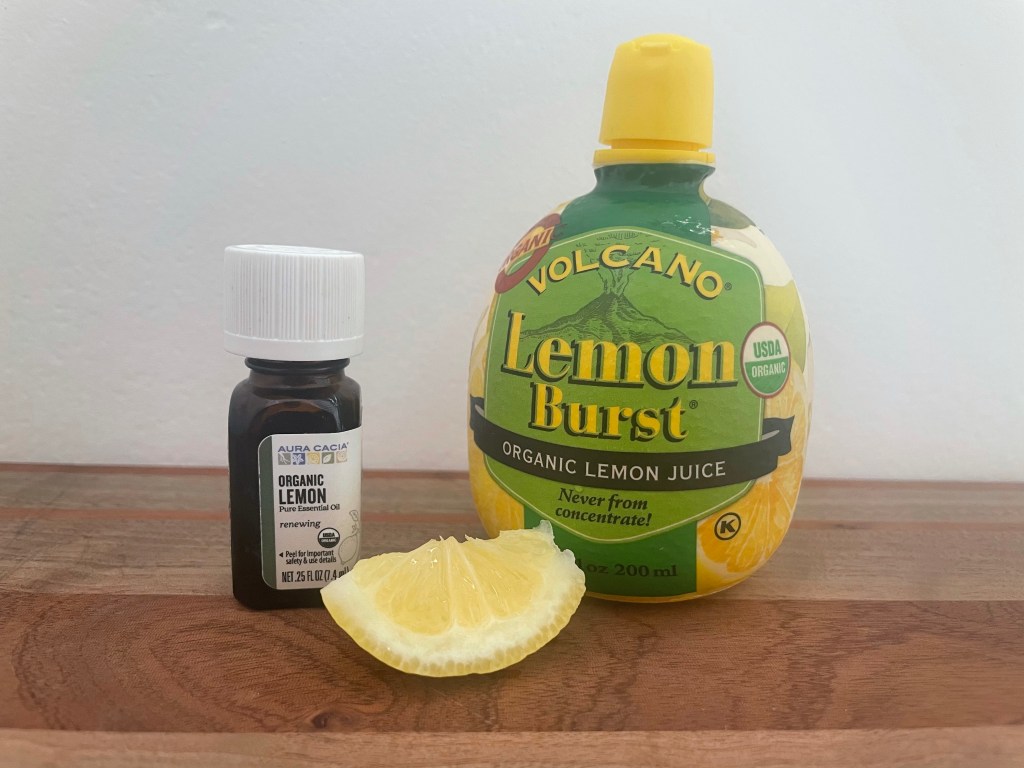
Let’s have a little talk about Lemons and Lemon essential oil…. 

Through the course of the last 30 years that I have been working with essential oils, I have had many conversations that are telling to misconceptions regarding their safe use. 

One of the more common misconceptions that is often shared with me, is the concept that essential oils are a concentrated form of the entirety of constituents found within the botanical that they are created from. 

It’s important to consider that the amount of essential oil within any botanical varies depending on the botanical itself, in addition to where they are grown, as do the resulting constituents. How the botanical is extracted also lends parameters as to what constituents are present in the end product.

Now, back to Lemons… 

Lemon fruit essential oil is found in the tiny pores within the rind of the fruit. In comparison, other botanicals have their essential oils woven into their matrix by way of tiny oil sacs in either their leaves, flowers, roots, seeds, bark, etc., and are typically extracted through the process of steam distillation. However citrus fruit is unique in that its essential can be mechanically squeezed out of the little sacs within their rinds. 

When we consider a lemon, we can see there are distinctive separate parts to its structure: the center fruit, the pith, and the rind. The essential oil is found in the tiny pores within the rind of the fruit. The constituents of the essential oil found in lemon fruit is quite different than the contents found the entirety of the fruit itself. 

Lemon rinds typically have an essential oil yield between 1-2%. Their essential oil is a volatile aromatic fluid, consisting of terpenes (about 94% mainly (+)- limonene), sesquiterpenes, aldehydes (citral, about 3.4–3.6%, and citronellal) and esters (about 1% geranyl acetate). [Clarke, 2008]

When diffused into the air, lemon essential oil can aid with concentration, and air purification, assisting the immune and respiratory systems.

For topical use, lemon essential oil should be diluted into a fixed carrier oil at 2%, or blended with other essential oils, all totaling 2%. Topically it can be helpful with the circulatory system, and various skin conditions. [EOS, 2014; Esenta, 2016]

If used topically, it is an important to consider that cold-pressed lemon essential oil is mildly phototoxic, meaning that if the skin where the oil was applied is exposed to sunlight within 12-24 hours of application, it can cause severe to permanent burns. This can still happen even when the oil is properly diluted to 2% in a carrier oil, prior to application, but has less chance of occurrence.

A 2% dilution would be a total of 12 drops of essential oil to 30 ml (1 fluid ounce) of carrier oil. If the essential oil is incorporated into a product that is rinsed off, it is not a concern. An important consideration is that if a person adds lemon essential oil to a steam bath, and then goes outside or even into a tanning bed… the lemon will travel onto your exposed skin via steam and could very likely make you more susceptible to burns due to sun exposure. [EOS, 2014]

If the lemon essential oil is extracted through the process of steam distillation, as opposed to being cold-pressed, the caution of phototoxicity is not present. The majority of lemon essential oil that is sold in the retail market is cold-pressed.

Undiluted, essential oils are flammable. Upon contacting the surface of wood furniture, it has the ability to strip its stain off; it can also remove sticky substances from glass. If added to a glass of water, Lemon essential oil will float on its surface. (As a trained aromatherapist, I advise against the practice of adding essential oil to a glass of water. I also advise against using essential oils internally, unless under the guidance of a trained medical professional who has experience in working with essential oils clinically and has extensive knowledge of their toxicity).

Lemon essential oil is quick to oxidize, and will do so as it ages. As it oxidizes it will become more likely to irritate the skin. It is important to keep lemon essential oil in a cool place, away from sunlight and exposure to heat. It is also key to keep the lid of your essential oil bottles closed to prevent from oxidation. Lemon essential oil, as with other citrus essential oils, should be used within one year of purchase, to prevent from using an oxidized oil. It keeps best in the refrigerator.

It is important to keep in mind that the above-mentioned properties of lemon essential oil are inherent with all lemon essential oil, regardless of the company that produces it.

Now let’s get back to the rest of the Lemon.

As I mentioned earlier, Lemons have three distinctive layers, the center segmented citrus, the white pith, and finally the outer rind. The contents of these consist of Vitamin C, Vitamins B1, B2, B5, potassium, pectin, fiber, and flavonoids, along with the 2% essential oil found in the pores within the rind. It’s important to keep in mind that all of the vitamins and nutrients found in the entirety of the lemon fruit itself, are not present in its essential oil.

Adding lemon juice to your water has become popular because it can have many health benefits, including:

  • Aiding digestion, as the acidity of the lemon water is said to help break down food
  • Helps one to stay hydrated (most of us do not drink enough water)
  • Supplies a supplemental amount of Vitamin C (this prevents loosening of teeth)
  • Provides a small potassium boost
  • Helps prevent kidney stones
  • Adds antioxidants to your diet, which helps defend against free radicals

There are also studies that are being done on the benefit of consuming dried and ground lemon peel, as well as using this ground powder in topical applications for skin care. More on that in the future…

When it comes to Lemons, as with other botanicals, there are a great many benefits to including them in your diet as a food, or as an herbal remedy. There are also a number of instances where using Lemon Essential oil can be of benefit when used properly, diluted if used topically, and with phototoxicity concerns taken into account. It’s important to consider how these two substances differ even though they are from in the same botanical. For we could just make some lemonade, if life hands us a bunch of lemons… but we could also do so many other things! What is most important it that we understand when and where to use each extraction, and when it isn’t appropriate.

To attend the upcoming class on Essential Oil Safety, on Saturday April 15, 2023, you can register here: https://square.link/u/x0mdOMhn

For information on my upcoming classes and workshops, write to rootsofalchemy@gmail.com

To see past blog posts, visit https://www.rootsofalchemy.org

For products, services, art and workshops, visit: https://www.rootsofalchemy.com

For Esenta: The Aromaticum App, visit: http://itunes.apple.com/us/app/esenta/id1073202895?mt=8

References


Composition of essential oils and other materials.”

Sue Clarke BSc (Hons) PhD, in Essential Chemistry for Aromatherapy (Second Edition), 2008.

Essential Oil Safety, 2nd Edition.Robert Tisserand, Rodney Young Churchill Livingstone Elsevier: London, 2014. 

Esenta: The Aromaticum App. Delaney, Kathryn. Kataliktic Essentials, 2015.
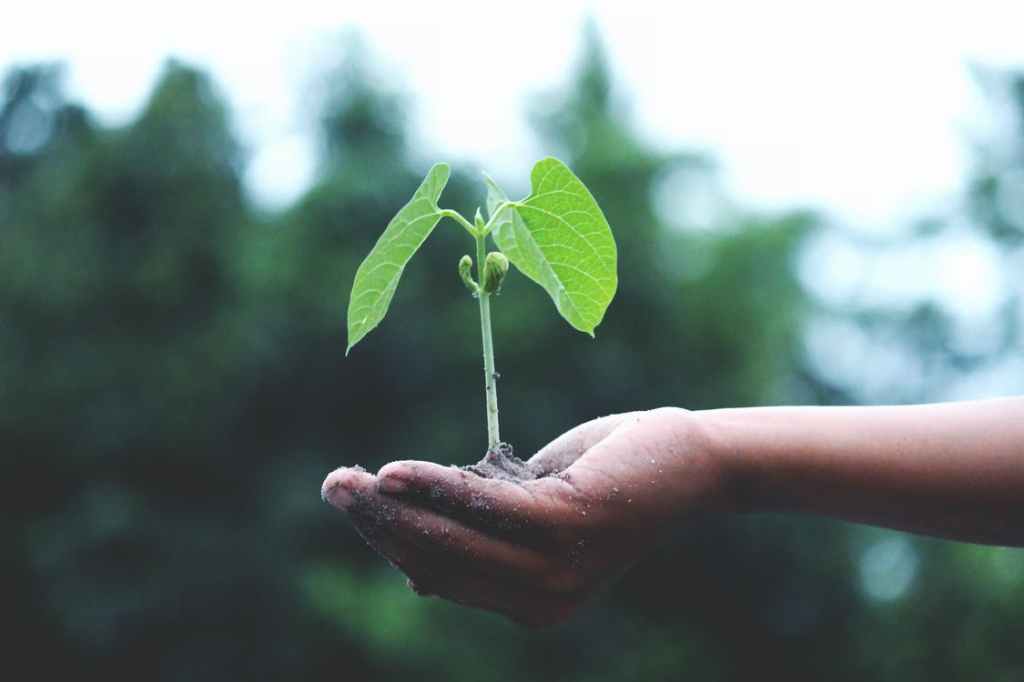
Wellness

Life’s true essentials: Sunshine and Vitamin D

Author: Kathryn Delaney, BS, BA, CCA, CCH, CN

source: https://www.pexels.com/photo/person-holding-a-green-plant-1072824/

As a nutritionist, herbalist, aromatherapist, and gardener… I relish life’s learning through observation of the natural world, particularly from plants.

Plants get everything that they need from their natural environment. They also adjust to their environment constantly to exist there. They do this by amping up their defense mechanisms. If they are aromatic in nature, one of their defenses is in manufacturing varying amounts of constituents that we have named “essential oils.” These compounds aren’t just something to use therapeutically by humans, they are part of the plants’ defense system. The constituents protect plants from being eaten by insects and animals, and the compounds get stronger and more pronounce depending on changes in weather conditions, nutrients, and water that the plant has access to. (We can understand a lot about what helps a plant grow by looking to the environment that it natively thrives in.)

Interestingly enough, if you take two cuttings of the same plant, and grow them at two different elevations for seven years, they will have a variance in their constituents, and have scent profile differences that are noticeable, as well as constituent differences that are measurable.

It is also an interesting thing to note, while working at a plant nursery and observing herbal plants grow over several years, which are by their nature aromatic, they suffered when grown in the greenhouse under a consistent temperature, and thrived when they were grown outdoors, with access to fluctuations in temperature, wind, and dappled sunshine.

One thing that every plant needs is sunshine particular to its species’ light demands. This is how it is able to make energy to live and survive. (Most plants suffer indoors because they aren’t placed in the right amount of light, or because they are given too much or too little, water. They often don’t flower if they aren’t given fertilizer as food.)

Interestingly enough, we as humans need sunshine, water, and food too, in order to thrive. We also need exercise as we have the added evolutionary experience of having skeletal, muscular, cardiovascular, digestive and additional other body systems that separate us evolutionarily from the plant kingdom. What is interesting in regard to our similarity with plants is that we need sunshine, we literally make one of our essential vitamins when our skin is exposed to its ultraviolet rays: Vitamin D.

Vitamin D, was discovered in the early 19OO’s in Great Britain when doctors were researching the pathological basis of rickets, a deforming bone disease.

The first clear descriptions of this disease were in the 17th century, but it was also recognized in earlier medical writings from the Roman and Greek eras, and even earlier in First and Second centuries A.D. The cases of rickets increased significantly from the 17th -19th centuries, coinciding with the industrial revolution. Factors that were considered to contribute to increased cases of rickets, included: working indoors in facilities that were over-crowded, poor air quality, and possibly decreased calcium in the diet, due to the expense of dairy and subsequent increased role of bread in the diet.

The doctor noted for discovering vitamin D, is Sir Edward Mellanby, whom was taken by the work of McCollum, who in 1913 discovered Vitamin A and ushered in the era of understanding food substances that could support life. Mellanby considered that rickets may be due to dietary deficiency and did an experiment where he mimicked the diet of a population with highest incidence of rickets (a diet high in oatmeal), and fed it to dogs that he had incidentally kept indoors and away from sunlight. Mellanby discovered that not only was this diet able to reproduce rickets in the dogs, he also learned that he could cure the disease with the supplementation of cod liver oil and presumed that the cure was due to the vitamin A present in the oil. McCullum wanted to test this theory, and bubbled oxygen through the cod liver oil to destroy the vitamin A. He found that while the oil that had the vitamin A removed was no longer able to treat vitamin A deficiency, it retained the ability to cure rickets. McCullum then concluded that the factor that cured the rickets was a new vitamin, which they called Vitamin D.

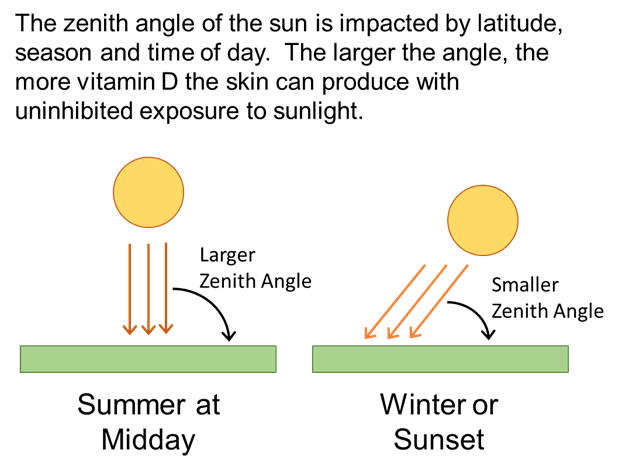
While Mellanby and McCullum were discovering vitamin D within food sources, a physician in Vienna, Huldshinsky, had discovered that children suffering from rickets could be cured by exposing them to sunlight during summer months, or to artificially produced UV light. Due to the shifts of the Sun’s zenith through the year, the highest amount of vitamin D is produced during a spectrum of light during midday in the summer. Sunlight is the most efficient way for most people to produce vitamin D, however modern lifestyles have greatly impacted our ability to do so.

While it has been shown that rickets can be prevented with universal supplementation of 400IU of vitamin D and exposure to sunlight, the disease continues to be a concern in modern times amongst uneducated populations, as well as in northern regions where due to cooler temperatures, people have less skin exposed to the sun, and also in those populations with darker skin pigmentation, due to their slower production of vitamin D due to higher levels of melanin.

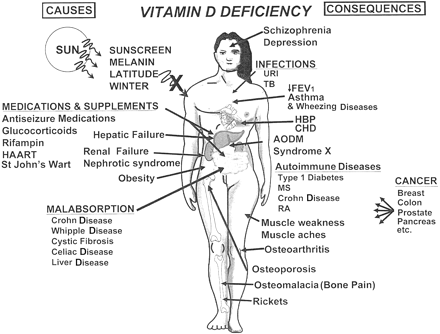
Since its discovery, Vitamin D has been observed to act more as a hormone and recognized for its role in multiple systems of the body, including playing roles in: Calcium and phosphorus metabolism (health of bones, teeth, etc.), muscle strength (preventing falls in the elderly), supporting mood (relieving depression, and Seasonal Depression, etc), lowering inflammation, supporting insulin function (for those with type 2 Diabetes, or with insulin resistance), preventing diseases (cancer, auto-immune diseases), regulating gene expression, protecting from gene damage, and supporting the immune system.

There is a reason why some vitamins and nutrients are called “essential,” when we are deficient in them our bodies are lining up to be sucker-punched by illness, and even knocked out, in time.

Deficiency of vitamin D is associated with: all causes of mortality (read that again), auto-immune conditions, leaky gut, several cancers (breast, colon, prostate, bladder and ovarian), inflammatory bowel disease (crones, ulcerative colitis), hypertension, Type 2 Diabetes, Depression, Osteoporosis, Osteopenia, stroke, heart attack, tinnitus, and many more.

Vitamin D deficiency is highest with in the populations of the elderly, and those who are institutionalized or hospitalized. It is also significantly more common among those with no college education, the obese, people with poor health status, those with hypertension, low high-density lipoprotein cholesterol level, and those who are not consuming milk daily. It is also more common in populations with darker skin pigments due to the increased amount of melanin in their skin, which protects their skin from UV light and inherently reduces the production of vitamin D in their skin.

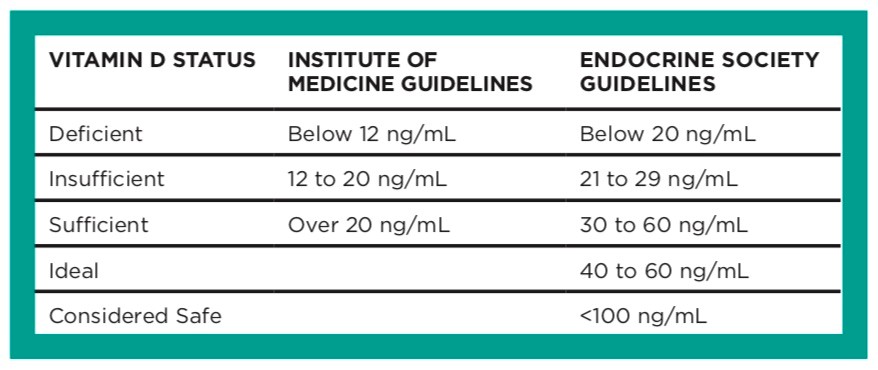
The only way to measure vitamin D levels is by getting bloodwork done. A healthcare provider may have ordered a vitamin D test if you have signs of deficiency. Vitamin D deficiency is most often treated through supplementation and/or dietary changes.

When our body is replete with vitamins and nutrients, it stands against attacks of illness and can even get stronger in its defenses.

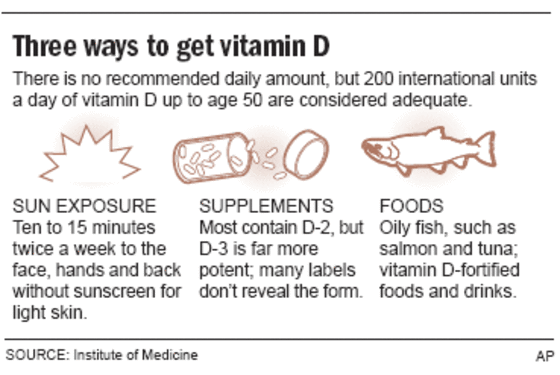
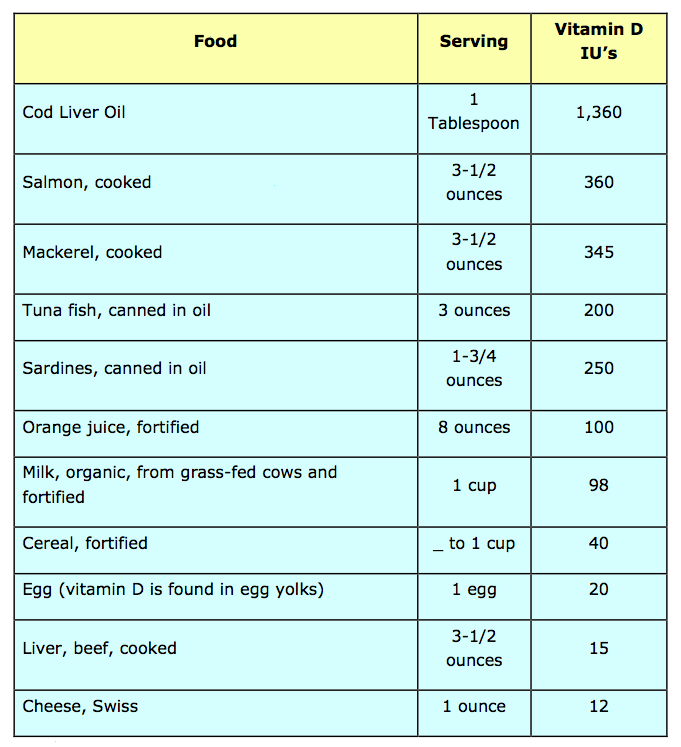
Foods that contain vitamin D, include: cod liver oil, swordfish, salmon, canned tuna, beef liver, egg yolks, and sardines. It is said that in order to consume enough vitamin D through your diet, you would have to eat one of the listed items every day.

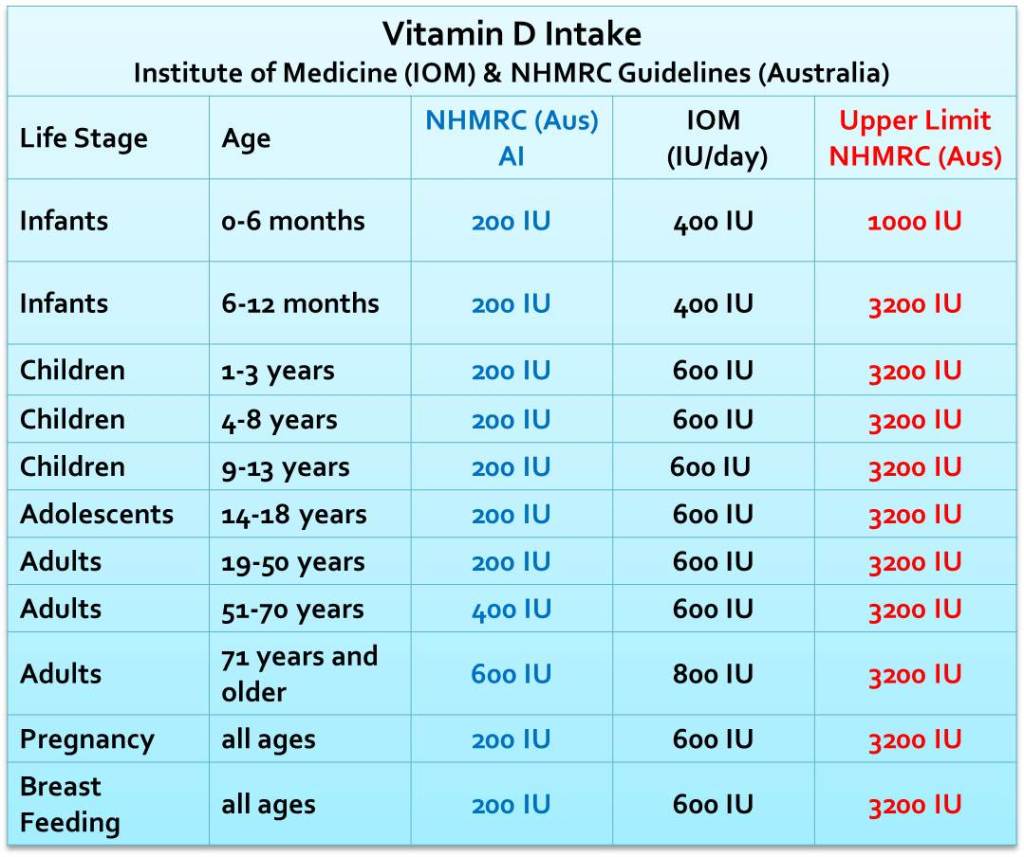
While sunshine or food may appear to be the most accessible way to produce vitamin D, supplementation may be the most convenient depending on working conditions and geographical location. Adequate levels of vitamin D supplementation for people of different age groups can be found in the following graph.

V

Vitamin D is a fat-soluble vitamin that is stored within the fat cells of the body during summer months when skin is exposed to the sun. Over the course of the last several years there has been an observed correlation with a decrease in vitamin D levels and increased number of bone breakages in early spring, in addition to a surge in respiratory ailments. This lends to the importance of supplementation of vitamin D during winter months especially for those who do not consume dairy, liver, or fish oils.

This last year there have been increasing number of documents drawing a high correlation between deaths due to CoVid and vitamin D deficiency, which lends to the rational of supplementation with this vitamin as a preventative means. While pharmaceutical companies press for mandated vaccines, there is increasing support throughout the globe for universal supplementation of vitamin D for ultimate global health.

Robertson, Sally. July 2, 2020. More evidence on vitamin D deficiency and death rates from COVID-19 (news-medical.net)

Benskin, Linda. September 2020. Frontiers | A Basic Review of the Preliminary Evidence That COVID-19 Risk and Severity Is Increased in Vitamin D Deficiency | Public Health (frontiersin.org)

George Griffin, Martin Hewison, Julian Hopkin, Rose Kenny, Richard Quinton, Jonathan Rhodes, Sreedhar Subramanian and David Thickett Vitamin D and COVID-19: evidence and recommendations for supplementation. Published:01 December 2020https://doi.org/10.1098/rsos.201912

It is important to note that in addition to vitamin D playing a pivotal role in the foundations of our health, the additional allies of Zinc, Vitamin A, Vitamin C, Vitamin E and Selenium also have a great influence, as well as a number of herbal, medicinal mushrooms, and nutritional remedies. As time progresses and more studies are done globally, information is revealing that the true essentials to our wellness and ultimate health, rely on the staples of life: sunshine, exercise, clean water and air, loving relationships and proper nutrition.

It would appear that while we have evolved to have much more complex physiologies than plants, we have many similarities in respect to what it takes to thrive. Nature holds the answer.

Please subscribe for access to more articles on health and wellness.

You are welcome to receive 30% off of all vitamins and supplements, and health care products, from more than 100 quality companies by registering HERE.

References

Benskin, Linda. September 2020. Frontiers | A Basic Review of the Preliminary Evidence That COVID-19 Risk and Severity Is Increased in Vitamin D Deficiency | Public Health (frontiersin.org)

DeLuca, Hector F. History of the discovery of vitamin D and its active metabolites. BoneKEy Reports: Nature Publishing Group https://www.ncbi.nlm.nih.gov/pmc/articles/PMC3899558/#!po=0.675676

George GriffinMartin HewisonJulian HopkinRose KennyRichard QuintonJonathan RhodesSreedhar Subramanian and David Thickett Vitamin D and COVID-19: evidence and recommendations for supplementation. Published:01 December 2020https://doi.org/10.1098/rsos.201912

Robertson, Sally. July 2, 2020.  More evidence on vitamin D deficiency and death rates from COVID-19 (news-medical.net)

Graphics

Brown, Bill. November 30, 2018. Here’s How to Know If You’re Getting Enough Vitamin D | Arena District Athletic Club (arenaathletic.com)

https://www.hcs.harvard.edu/hghr/online/hypovitaminosis-d/

Three Ways to get vitamin D. Too little sun as bad as too much? (nbcnews.com)

Vitamin D Supplement Levels. www.nutridesk.com.au/get_content_html.php?cpid=17576

Fit Bharat on Twitter: “Important Vitamin D Sun Exposure Guide Other than Vitamin D synthesis, sunlight exposure to skin also triggers -Synthesis of serotonin & endorphins to improve mood & sleep -Cause the release of nitric oxide to lower blood pressure -Makes bones stronger & -Aids in weight loss https://t.co/X8PDxKciaZ” / Twitter

Food Sources of Vitamin D – it’s vital for good health (solar-facts-and-advice.com)

Why You Need Vitamin D | INTEGRIS Health (integrisok.com)

***

Kathryn Delaney is a writer and educator with Bachelor’s degrees in Journalism, and Environmental Society & Policy, as well as Certifications in the fields of Clinical Aromatherapy, Herbalism and Nutrition. She has also developed an educational App called: Esenta, the Aromaticum App, available for iOS systems. For more information on services and products, please visit the services page, or contact rootsofalchemy@gmail.com

Wellness

Materia Medica of Clary Sage: Salvia sclarea by Kathryn Delaney CCA, CCH, CN

Salvia sclarea

Today we are creating a Steam Distillation of Clary Sage, also known as Salvia sclarea. Clary Sage is a biennial plant that is a member of the Lamiaceae family. Also known as the “Mint Family,” this is a family of herbs or shrubs that are often aromatic in their nature, and classified by their four-sided stems, leaves that lay with opposite or whorled patterns, and bilabiate flowers.

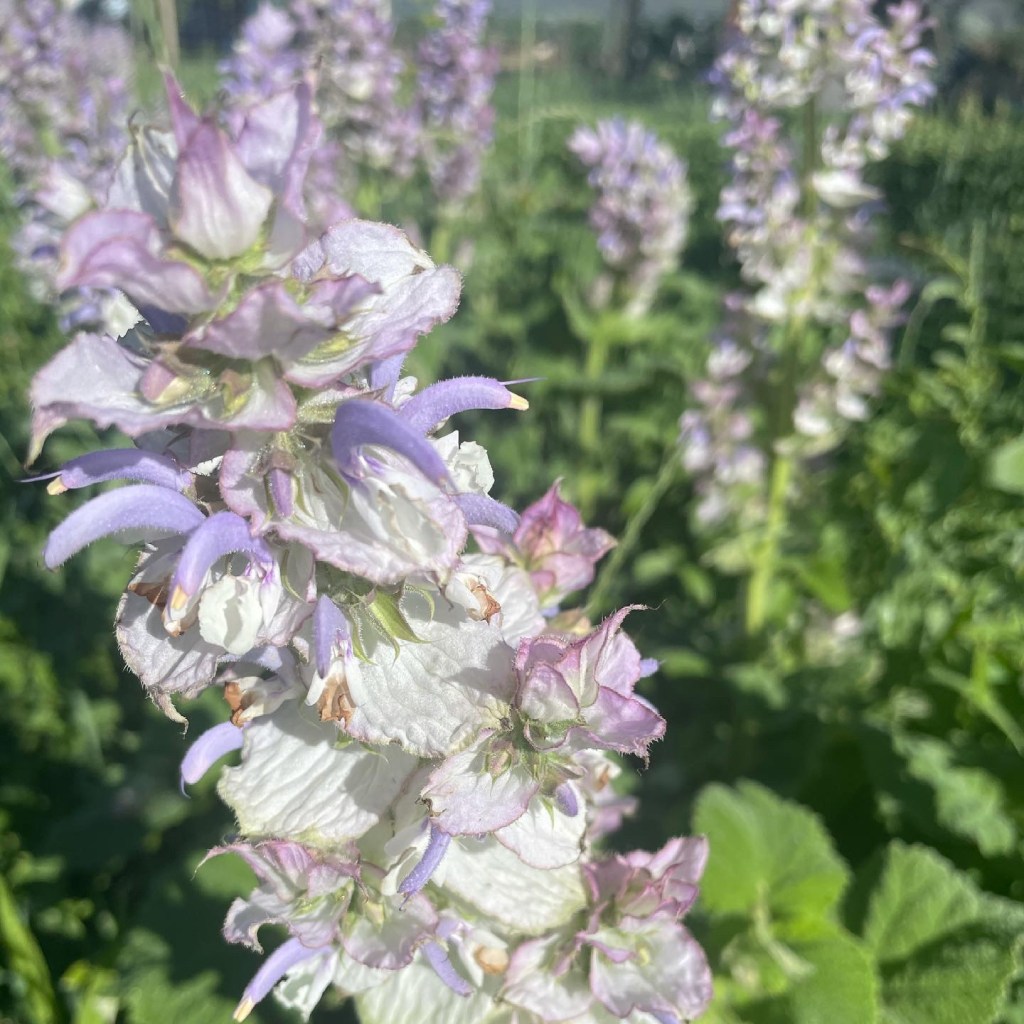
We gathered the upper cluster of the Clary Sage plants around 8 o’clock a.m., careful to leave the lower flower clusters to develop in the coming weeks for a later harvest. Each top spiking cluster of flowers has a white to purple coloration and is 5-6″ in length.

Salvia sclarea harvest June 2021, Paonia, Colo.

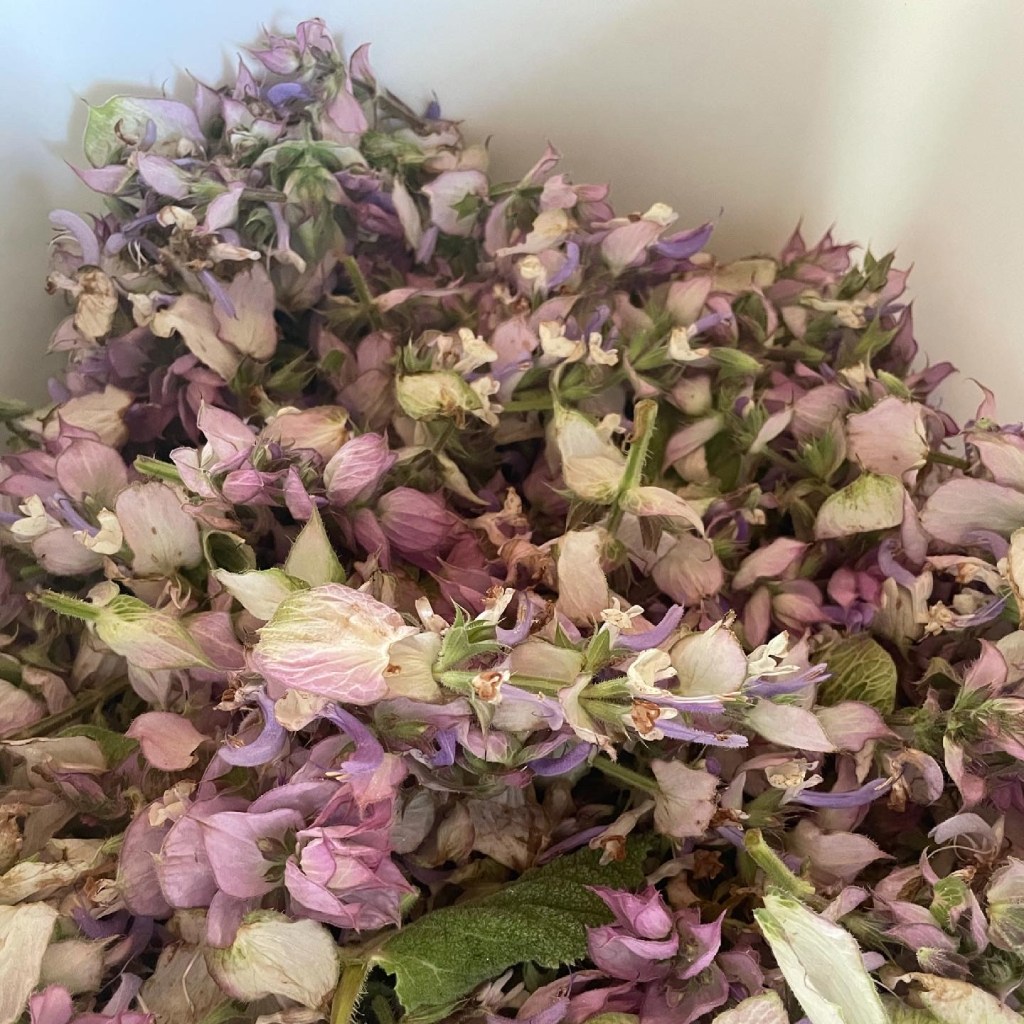
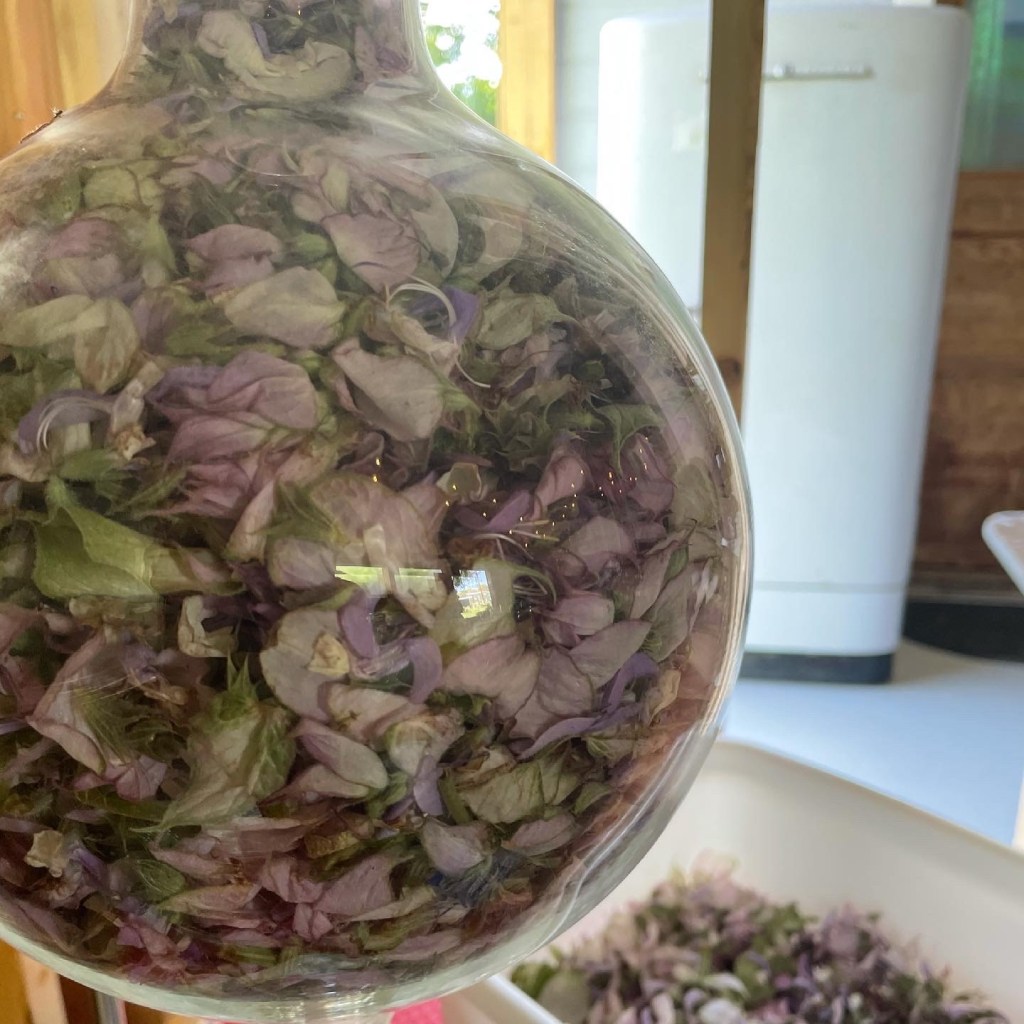
The flowers exhibit a subtle musty herbaceous scent, which becomes more apparent as I fill the biomass flask of the distillation rig. As time progresses and the flask becomes dense with a sea of green, violet and white, my fingertips began to grow a slight stickiness from the resinous flowers. Handling the flowers releases a floral scent into the air that is slightly intoxicating, smelling reminiscent of moments spent frolicking in the garden.

Salvia sclarea Distillation by Roots of Alchemy

Known to encourage calm, confidence, and tranquility, the aroma of Clary Sage is grounding by its nature, encouraging a feeling of wellbeing, and providing emotional support. By some it is considered euphoric. It has also been shown to be an anti-depressant.

This aroma benefits the nervous system treating anxiety, stress, nervous tension and depression. It is said to bring balance, being a general tonic for mental and nervous fatigue. It is calming for the mind and helps to ease away tension.

Additional therapeutic actions of Clary Sage include it being an antispasmodic, deodorant, emmenagogue, hypotensive, nervine, sedative and tonic.

Clary Sage is one of the most important essential oils as a woman’s remedy for all three phases of a woman’s life, the menstrual cycle, childbirth and menopause. It brings relief to menstrual cramps with its antispasmodic and pain relieving actions. During times of childbirth, Clary sage’s relaxant effect eases the anxiety and stress during childbirth. Later in life, during times of menopause it can help relieve hot flashes.

Clary Sage’s combination of its antispasmodic and aromatic nature, as well as its assistance in reducing anxiety and emotional stress, have shown it to be beneficial and recommended for treating asthma. To use in this way one can simply smell an opened bottle of essential oil, place 1-2 drops on a tissue for sniffing, or have a hydrosol handy to mist the air.

Topically, Clary Sage has been used in lotions, and topical preparations to prevent excessive sweating. It helps to regulate sebum production, and is useful for balancing oily skin, greasy hair, and dandruff. Clary Sage essential oil can be easily made into a topical oil treatment by diluting 6-12 drops of pure essential oil into a fixed vegetable oil such as olive oil, sunflower oil, or coconut oil.

Clary Sage is said to promote vivid dreams and dream recall, in this way can bring us into closer connection with the dream world. If you have access to fresh Clary Sage, you can make your own dream pillow by sewing a small rectangular pillow out of cotton cloth, and filling it with freshly dried Clary Sage blossoms. Tuck this small pillow into the pillow case of the pillow you sleep on, to help assist with dream recall and lucid dreams.

The essential oil and hydrosol of Clary Sage is considered non-sensitizing, non-irritating, and is non-toxic. Despite being considered a gentle essential oil, it carries the caution to avoid use during pregnancy because of the emmenagogue action.

Clary Sage essential oil should not be used in combination with alcohol because it’s euphoric action combined with alcohol use can make a person feel overly intoxicated.

For more information on uses of Clary Sage essential oil, and which conditions it benefits, please check out The Esenta Aromaticum App. You can find it here:

https://itunes.apple.com/us/app/Esenta/id1073202895?mt=8

#aromatherapy#medicinemaking#gardenharvest#essentialoils#hydrosol#chemistry#medicinewitch#medicinemaker#clarysage#salviasclarea

Wellness

The Many Benefits of Apple Cider Vinegar by Kathryn Delaney

It’s quite likely that you have a little powerhouse for wellness tucked away in your cupboard with out even knowing it. Minute diluted consumption of this substance throughout the day has been proven to help with a variety of common ailments that over the counter remedies and often prescription medications create a dependency on. Consuming raw apple cider vinegar is not only less expensive; it is actually beneficial for your health in the long run.Raw Apple Cider Vinegar has a variety of known health benefits. One role that makes it one of our major allies is its ability to help us with digestion of food.

Nearly 80 percent of our immune system is in our intestines,” says Dr. Francesca Quinn, a Naturopath, during a nutrition class. “So you literally are what you eat, absorb and assimilate.” Being that raw apple cider vinegar still has enzymes present, as it is “raw”, and can help us to digest our food when we dilute just a little bit in water and drink this just before each meal.

Raw Apple Cider Vinegar is rich in acetic acid. This acid is said to slow the digestion of starches, which can help to lower the rise in glucose that commonly occurs after meals.
It is also rich in ash, which gives it its alkaline property. This aids your body in maintaining balanced pH levels for a healthy alkaline state. If there are not enough minerals in the diet, and a person consumes an abundance of acid forming foods, the body will pull minerals from the body, and lend weakness to organs, glands, teeth, and nails, often even leading to osteoporosis and other conditions.

Raw apple cider vinegar is also a good source of potassium, a mineral often lacking in the American diet. This mineral is important for growth, building muscles, transmission of nerve impulses and heart activity. Potassium also helps prevent brittle teeth, hair loss and runny noses.

Raw apple cider vinegar is also said to help with allergies, including pet, food and environmental. It is also helpful in cases of sinus infections, acne, high cholesterol, flu, chronic fatigue, candida, acid reflux, sore throats, arthritis, and gout. It has important antiseptic properties that help prevent growth of harmful bacteria and viruses in the digestive tract. It has the additional benefit of not interfering with the body’s natural beneficial bacteria.

Dr. Quinn suggests raw apple cider vinegar as a helpful remedy for heartburn, which she states is caused by low hydrochloric acid. Drinking 1 Tbsp. of raw apple cider vinegar, mixed in 8 oz of water 5-10 minutes before a meal, can help to remedy this.

Hydrochloric acid’s action in the digestion system is to kill parasites, digest food, and assist with the absorption of protein and minerals. When a person has low hydrochloric acid levels, protein that is eaten sits in the stomach and is likely to lead to gas, bloating, constipation and diarrhea. Again, drinking 1 Tbsp. of raw, apple cider vinegar in 8 oz. of water just before a meal can help to remedy this.

Incorporating raw apple cider vinegar is also said to help with weight control. It helps the body sludge out stored up toxins. It may also have a role in blood sugar control and appetite suppression. Due to its impact on insulin secretion it is said to possibly help prevent fat accumulation.

In addition to being of assistance in all of the above-mentioned conditions, raw apple cider vinegar also has the useful ability to extract minerals and vitamins from herbs. Minerals are essential for bone strength. One of these essential minerals,

“Magnesium, is the number one deficiency in the American Diet,” states Dr. Quinn. Magnesium is relaxing for both the nervous system and the muscular skeletal system.
Extracts made with vinegar are generally used as nutritive additions to the diet, which may be added to foods or diluted in water for drinking. Hence, if you know that there are areas in your diet that you need supplementation, and you don’t prefer the pill, tincture, or capsule variety, or if you just want another way to add good stuff into your diet, you can make your own nutritive vinegar to supplement it, that is tailored just for your dietary and lifestyle needs! Some herbs that are commonly used in herbal infused Nutritional Vinegars include:

Alfalfa ~ due to its high nutrient content

Cayenne ~ Cardiac Tonic

Dandelion ~ the root is good for the liver; the leaf is mineral rich and supports the kidney and liver

Figs ~ excellent bone healing food; contains calcium, phosphorus and magnesium

Garlic ~ Anti-microbial which is good during the winter

Horsetail ~ Has a high mineral content and is rich in silica; hair strengthening

Nettle ~ Anti-inflammatory; it is good for allergy season and is high in nutrients

Oatstraw ~ high in calcium and magnesium; it is a nerve tonic

Orange Peel ~ high in vitaminC

Parsley ~ highly nutritive; freshens breath

Red Raspberry Leaf ~ high in iron; specific as tonic for female reproductive organs

Rose hips ~ high in vitamin C

Rosemary ~ stimulating nervine, anti-depressant, toning and calming for the Gastro Intestinal Tract especially if triggerd psychologically. (do not use if taking medications that are time released as it can speed the metabolism of them.)

To Prepare an Herb Infused Vinegar


Choose the herbs you would like to use, and try to use one fresh.

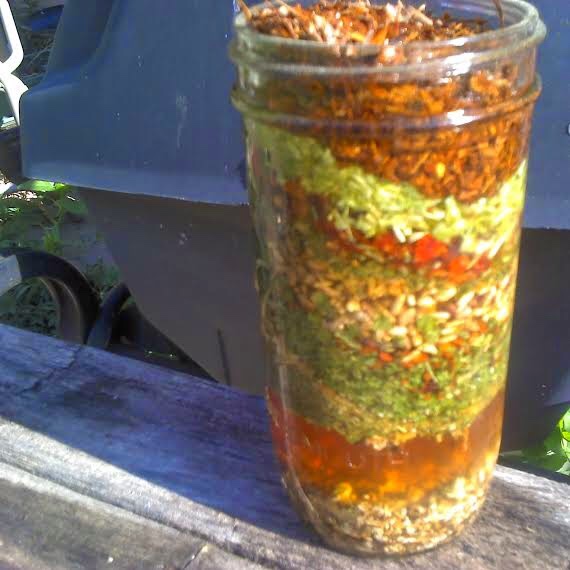
Chop the fresh plant material and fill your jar ¼ – ½ full. If you are using all fresh plant material, fill the jar completely, lightly packing tio minimize the amount of air in the jar. If you are using dried plant material fill the jar, also lightly packing.

Add honey if desired.

Cover with vinegar, fill to the very top. Cap with a plastic lid, label and set aside for 2-6 weeks.

Strain out herb, bottle and label for use.

To Use your Herbal Infused Vinegar


~Pour 1 tsp.- 1 Tbsp. of Herbal Infused Vinegar in a glass of 8 oz sparkling water and dring before every meal.

~Sprinkle over Salads

~Add 2 Tbsp. to smoothies for a “brightening zing”

~serve with olive oil and bread

~play around with substituting in any food you would normally use vinegar.

A reliable source for organic herbs can be found locally in Denver, Colo. at Apothecary Tinctura, on 6th and Fillmore, at Herbs and Arts in Denver, at Rebecca’s Apothecary, in Boulder, or at Little Herbal Apothecary, in Lafayette. It is also very rewarding to grow your own and make vinegars out of your garden harvests. ***

Wellness

Product Testing for Pain Relief

Have you always wanted to try my Pain Cream? Would you want to be part of my product testing?

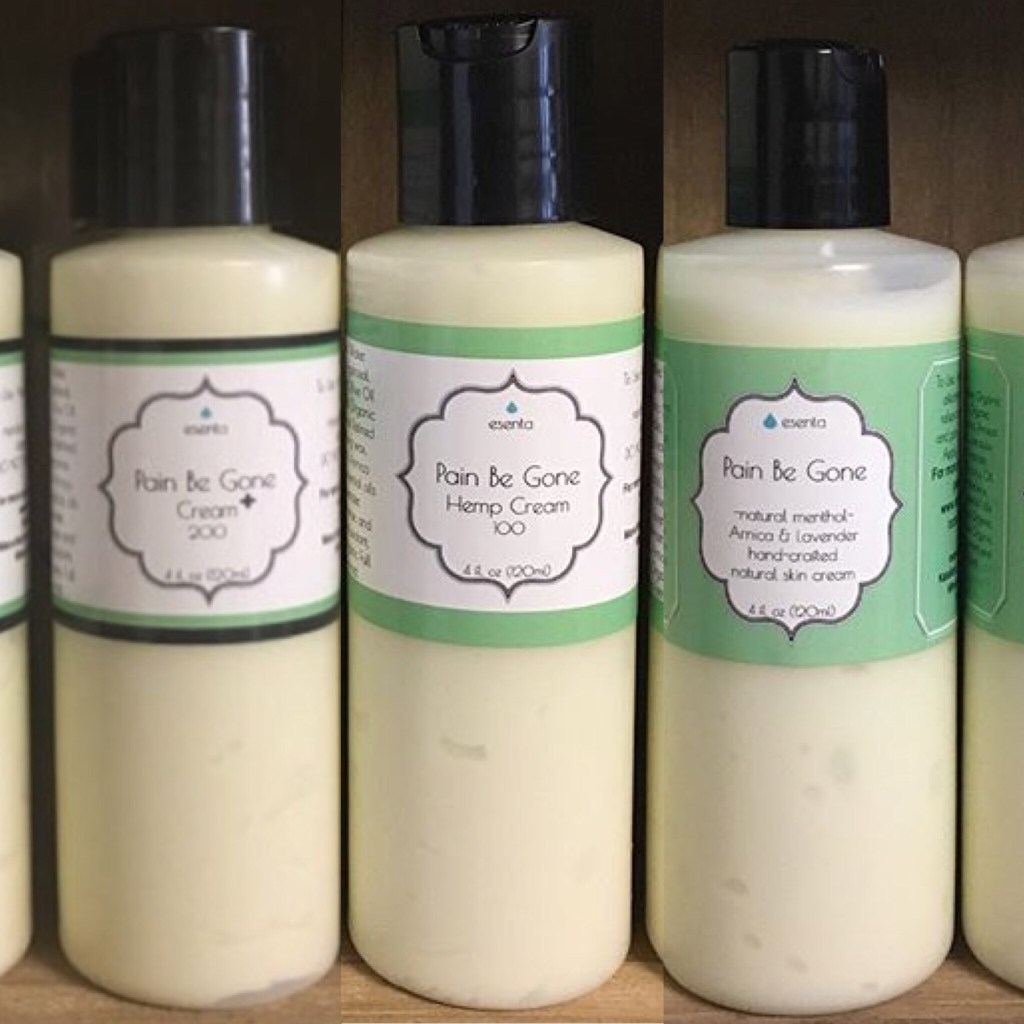
I am putting together a package of small bottles of my three varieties of Pain Be Gone Cream and would love your feedback. 💜

My Pain Be Gone Cream is one of my most popular and longest standing products that I’ve made for more than 10 years now. I originally created it for my grandmother’s sciatica pain, as she said the codeine that she was prescribed made her feel “loopy.” She was so surprised by the relief that she got while using the pain relieving cream, she called me a miracle worker. She hasn’t been the only one who has said this after using the cream. (I’ve even said it out loud, to myself, after standing on my feet all day in heels at conventions.)

Through the years hemp extract has been of interest to my customers, so I added it to a few of my products after I secured a local provider of organic full spectrum CO2 extract. I decided to create two different strengths to fit people’s budgets. People continue to comment how effective the cream is. 💖

So now I want to know… does adding hemp extract make my product more effective, or is it just an expensive ingredient? Do I just need a little of it in my products, or a lot?!

As an aromatherapist, I understand that there is a safety load to essential oils due to their concentrated nature, and that a higher percentage of essential oils in a product doesn’t necessarily make it more effective… as there is a threshold.

However in the case of hemp extracts, there is a range of products on the market with different strengths. Many of them don’t even detail the amount of CBD or hemp extract that is in their products. 🤷‍♀️

Along side being a product developer for my own product line for more than 12 years, I was a product developer for a CBD company for a couple of years as well, so creating quality products that are crafted precisely, is my jam. I also teach medicine making at a local herb school, and still my brain wants to know more!

My Pain Be Gone Cream is truly artisan crafted in small batches. It is made with natural organic ingredients, including: Distilled Water, Organic Lavender Hydrosol, Organic Aloe Vera, Organic Olive Oil, Organic Castor Oil, Organic Coconut Oil, Organic Refined Shea Butter, Org. Calendula and Lavender Blossoms, Organic Comfrey Root, Emulsifying Wax, and the essential oils of organic Eucalyptus, organic Lavender, organic Clove, organic Peppermint, and Wildcrafted Frankincense, rosemary antioxidant, and loads of love.

I’m putting together a little package of samples at a wholesale price for testing, and would like to know if you would be willing to test my products and give me feedback?

Yes? Awesome!! In exchange for the cost of making the product I will be shipping you three mysteriously labeled 2 oz bottles of various strengths of my Pain Be Gone Cream. One made with just essential oils; one made with 50 mg of CBD, and the third made with 100mg of CBD, in exchange for $40, which includes shipping.

Along with the products, I will be sending you a small little questionnaire that I would like emailed back to me. In exchange for helping me out, I will award you a lifetime discount of 30 % off all of my Pain Relieving Products. 💜

To maximize efficiency and timing for shipping them all out, this offer is only available through October 2020. Packages will be shipped out the first week of November. 💜 You can order your sample set now by following this link. Please make sure to include your shipping address.

https://checkout.square.site/buy/QOD4XUJUYUMZGH33MYH7HLNT

Thank you for supporting my small business and for your participation in my product testing study. I look forward to getting your feedback!