Historically called Flower water, Hydrosols are a “water solution” that is traditionally extracted through the steam distillation process of botanicals that is used to create essential oils. In the realm of aromatherapy, hydrosols are also known as hydrolates, hydrolats, floral waters and plant waters. In French, the term hydro, means “water” and late, is from the French lait, or “milk.” When hydrolates first come out of the still it often has a slightly milky appearance.
In the process of steam-distillation, water is boiled which creates steam that rises through a large amount of fresh botanical biomass. This steam is recondensed back into liquid with a cold-water coil, as this liquid gathers in what is called a Florentine flask, the essential oil, and recondensed water vapor separate, which results in two different substances. Just as in the case of essential oil production, differing methods and time of botanical harvest, produce varied amounts of hydrosol.
Unlike essential oils, hydrosols are not concentrated in volatile terpenes, and are therefore not flammable. The resulting fluid ranges in pH depending on the botanical being extracted, and carries more of an aromatic “imprint” of the original plant, than concentrated constituents. However, this does not remove them from therapeutic consideration.
The term “flower water” appears in U.S. Pharmacopeia of 1926, referencing Orange Flower Water as “Aqua Aurantum Fleur,” other botanical waters were simply referred to as: Rose Water, Fennel Water, etc., as well as “Aromatic Waters,” which were presented as distillates with an added small volume of the original volatile oil. One might ask, “what are flower waters doing in the USP of the past?” Flower waters were used in formulations of various remedies. While these substances have all but been removed from modern western medicine, their therapeutic value is beginning to be revived.
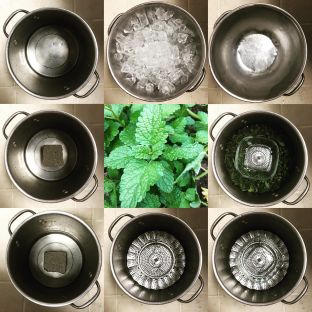
Most often seen in skin care ingredients, hydrosols offer a tonifying benefit for the skin. Many companies pair floral hydrosols such as rose and lavender, with other tonifying astringents and soothing ingredients, such as witch hazel extract and aloe vera juice to create skin toners. I myself, use them as a water portion when I make my small batch creams, which can be found here: Pain Be Gone; Lavender; Calendula; custom scents are available.
I find that when I use hydrosols in my body care products I don’t need to use as much essential oil to scent them, which allows for a more affordable product for my customer, that also smells “more-true” to the plant. For instance, in my Lavender Lotion, which is made with organic infused lavender oil, organic lavender hydrosol, distilled water, emulsifying wax, and organic lavender essential oil, and a small bit of rosemary antioxidant as a preservative, I use a quarter less of essential oil than what is called for in a traditional batch, without losing any body of the scent.
Hydrosols have also been historically used to flavor pastries, to wash oneself, and the home with, bathed in, used on pets, poured into champagne, and diluted into water as a beverage. Hydrosols use is also beginning to be revived as a therapeutic when diluted in water (15-30ml- 1 L), and sipped on for three weeks, similar to ingesting therapeutic teas.
I will be offering a small workshop at the Good Medicine Confluence in Durango, in late July, showing people the basics of essential oil steam distillation, as well as how to create their own hydrosols with simple kitchen equipment. You can learn more about the confluence and the workshops I’ll be teaching here.
Published by Roots of Alchemy
Kathryn is a Certified Clinical Aromatherapist, Certified Herbalist, Nutritionist and Flower Essence Practitioner. Her experience within the field of holistic health is rooted in Clinical Aromatherapy, raw food preparation, and healing foods preparation. As a practitioner, Kathryn brings her attention to detail through observation, ability to listen on a deeper level, appreciation for the body’s expression, and an investigative interest. She believes that by listening and being watchful of the body and how it carries itself, along with tracking our daily rituals and routines, it allows for a deeper understanding of one’s state of wellness and where it would be most useful to set the attention toward self-care.
Kathryn’s interest in plant medicine began at a young age when she realized she had sensitivities to chemicals commonly used in products such as fabric detergent and soap. This led to the discovery of one of her first plant allies, essential oils. Moved by the concept that essential oils have the ability to affect multiple levels of our being, what first provided a non-irritating alternative way to scent herself, laid a pathway into a study of the human body and holistic wellness. After years of her own study and learning medicine making skills, she went on to earn her Certification in Clinical Aromatherapy at the Institute of Integrative Aromatherapy in 2010. While in the Clinical Aromatherapy program she developed a series of Chakra Oils as a meditation tool to help people access and understand their energetic system. Her holistic practice is called Roots of Alchemy, LLC; She also makes all-natural body care and face care products through this company.
Moved by learning of how many people were using essential oils inappropriately and experiencing unintentional negative outcomes, Kathryn was inspired to create Esenta, The Aromaticum App in 2016. This is a pocket resource guide to using essential oils safely.
Kathryn’s reverence for the power of herbs and food as a primary source of healing was deeply anchored after her mother passed away at the age of 56, nearly ten years ago. After losing her mother, and months of being depressed and eating only minimally, Kathryn began to consider food as a possible route to finding her well-being. Taking purposeful steps in this direction created a shift in her awareness around self-care. She went on to study Healing Diets and Herbalism at the School of Natural Medicine. It was during her study here that she decided to pursue a deeper study with herbs, and through kismet timing and manifestation of a heartfelt wish, found herself studying Medical Herbalism at the Colorado School of Clinical Herbalism.
In addition to her herbal interests, Kathryn has also studied astrology, numerology, and tarot as self-development tools and hand-drew her own tarot deck as part of a ten-year apprenticeship. She weaves imagery with words to allow for a story to open up possibility. Through life’s trials and storms, she has come to witness the mystery of the journey and how often our perceived weakness can lend light which allows one to find their greatest resources of strength. This intersection between our mind, body, emotions, and spirit, lays the foundation for our vital force to actualize.
Kathryn developed a deep love for the mysteries and wisdom of the natural world at an early age. She grew up in Boulder, Colorado and has enjoyed a history of hiking and camping throughout the Front Range.
Her core areas of clinical interest include skin issues, musculoskeletal concerns, digestive concerns, anxiety and stress management, pain management, nervous system support, restorative formulations, food elimination guidance and support, the emotional thread within wellness, and food preparation assistance, in addition to others.
View all posts by Roots of Alchemy


 Roots of Alchemy